DIY Hacks

H. P. Friedrichs Pipsqueak Receiver Build

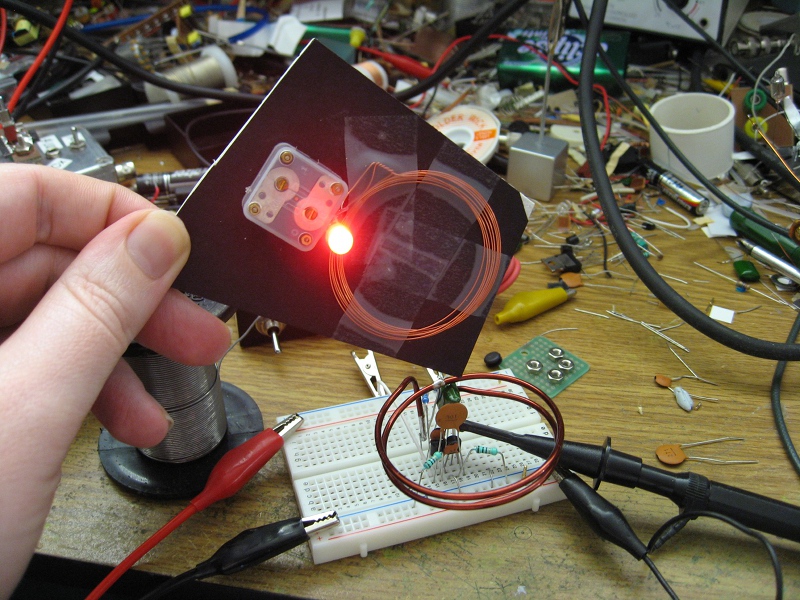
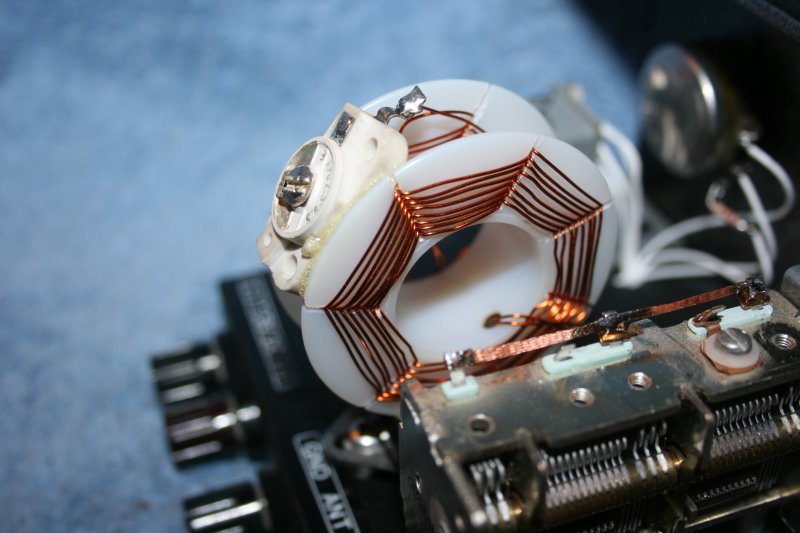
Thanks to Pete Friedrichs for sending in his Pipsqueak Receiver Build. I love the fact that it has been built from parts scavenged out of his junk box. At first glance I would not have guessed that it was built from junk since it has a nice kit look to it. I have never seen a spiderweb coil before, it looks absolutely fantastic. I should add one to my next
OpenPicus IDE and Framework is now available

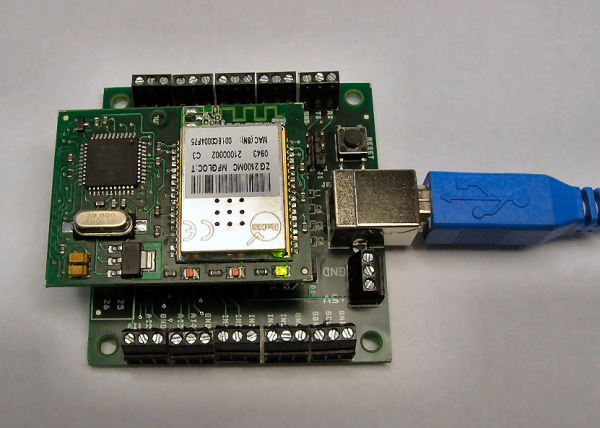
Looking for a powerful open source PIC microcontroller based platform that is built with wireless sensors and communication in mind? Look no further, today OpenPicus has been launched. A free IDE,  inexpensive hardware and a great Italian team all points to great success. If you are a student make sure you have your microcontroller instructor drop the OpenPicus team an email requesting your free Campus Kit. Next time I am

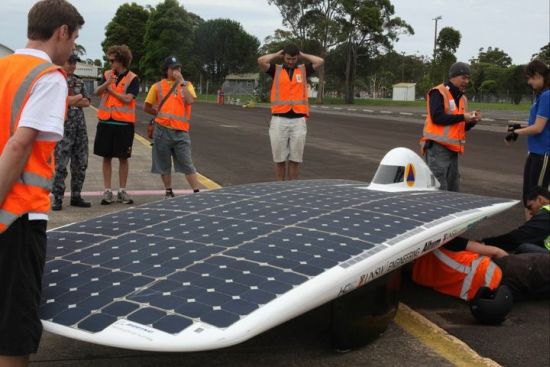
University of New South Wales Sunswift Solar Car Breaks Speed Record

Congratulations to the University of New South Wales Sunswift Solar Car team. They have broken the record for fastest solar powered vehicle with a speed of 88 km/h. Via: Eco Friend and Gizmag “UNSW’s Sunswift team has broken a long-standing land speed record for solar vehicles, with a Guinness-verified top speed of 88 km/h. Project manager Daniel Friedman takes us through the record attempt, which involved a team of UNSW

DIY Wireless Power Transfer

Very often when you are building a project there are two discreet sections. How do we go about powering everything up? Just use some good old copper wires right? That’s a good solution when the sections are fixed together but what happens when one section is rotating, in this case we can use power slip ring connectors but that is not very elegant. Alan Yates had this issue when he

Print PCB Layouts using Wax

Jeffrey Gough from Warranty Void if Removed wanted to develop a method of printing circuit boards which was better than the current ways that a home hobbyist has available to them. He mentions the various current methods that are commonly used which are permanent marker, toner transfer, photolithography, isolation milling, UV photoplotting, laser engraving and inkjet. For his method he reverse engineered how an inkjet printer cartridge worked and made

Dual Camera and Camcorder Tripod Mount Demo

This is a follow-up to the video last week where I showed the Camera and Camcorder Tripod Mount.  Some readers sent in some emails asking how I liked the rig and what the results were like. There were lots of people who asked where I got it and where they could get one. This solution worked great for me since I could whip out a basic pattern for the shape

Reading and Writing to the Atmega168 internal EEPROM

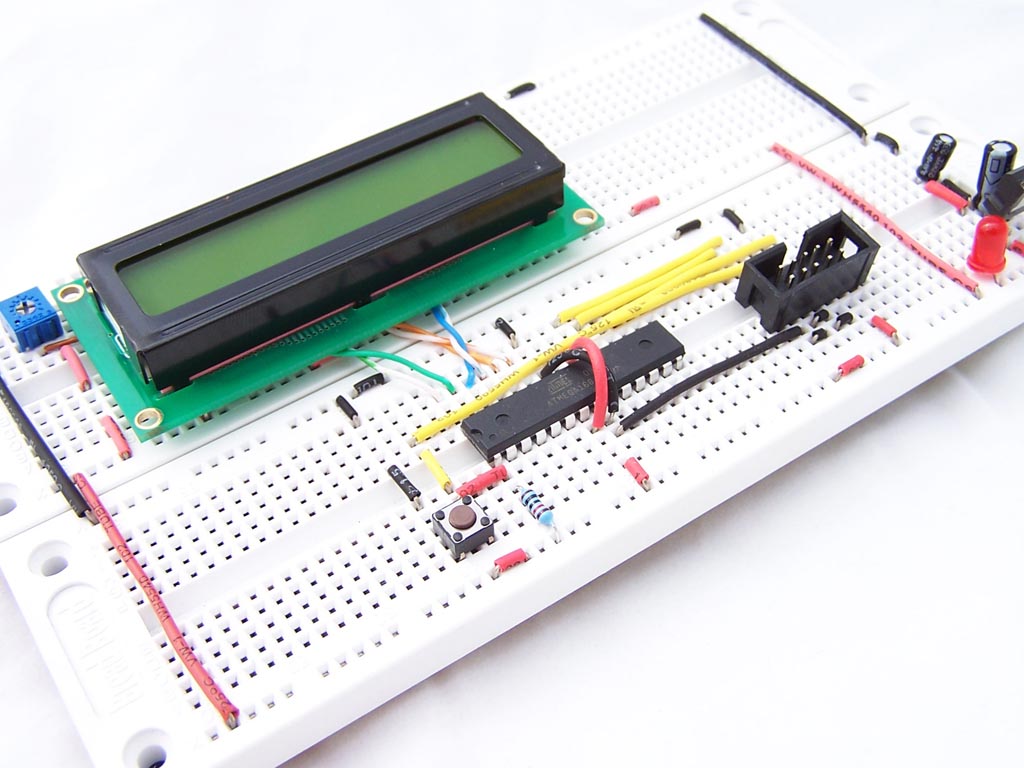
When using a microcontroller one of the most important feature to use is the internal non-volatile memory. This will allow you to store information that might be needed to store user selected features or system variables that need to persist power cycling. Interfacing with the EEPROM will depend on the microcontroller you are using. In this case it is an Atmega168. Our friend Daniel Garcia from Prostack has put together