DIY Hacks

DIY 1Hz Time Base

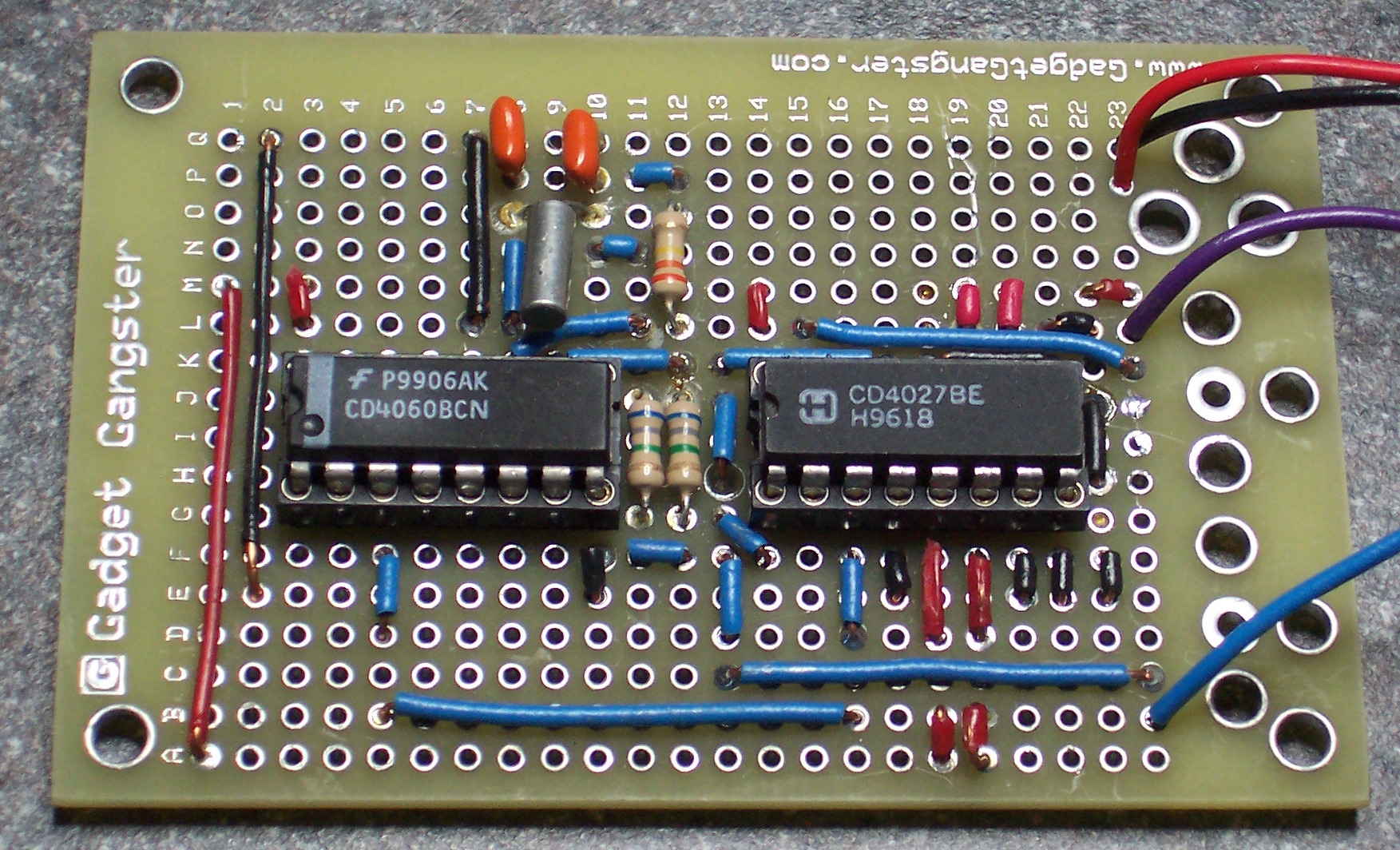
If you need a stable time base for something such as a clock project have a look at this DIY 1Hz Time Base project from The Hackers Bench. I see that the board that was used is one from our friends at Gadget Gangster. “In principal this circuit is extreemly simple. You build a crystal oscillator, and then you divide it’s output down to 1Hz. The crystal we’re going to
DIY Geiger Counter

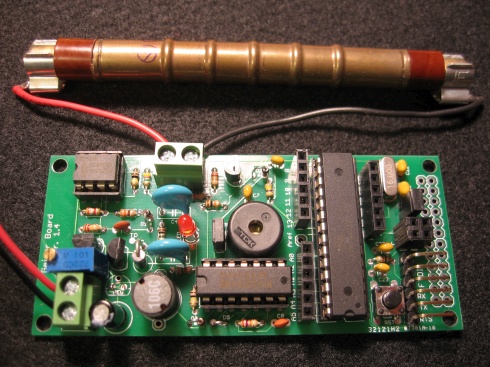
I hope building a Geiger Counter Project is just fun and not a necessity but if you are feeling curious here is a cool DIY Geiger Counter project kit. Via: Dangerous Prototypes “The Geiger Kit is a board that provides the electronics needed to run, and detect events from the GM tube, along with a microprocessor (ATmega328) that makes it easy to customize a solution for processing and outputting the events. Both the Geiger

Felt Mouse

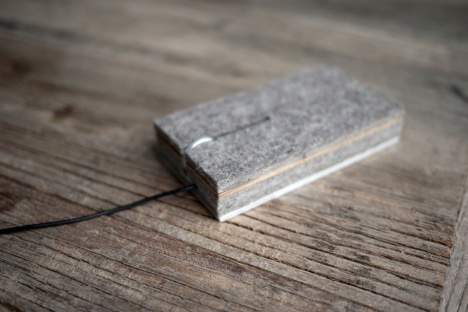
I have seen mice evolve from things that looked like a bar or soap to crazy mice that are supposedly so ergonomic that they hurt my hands to use for half an hour. I am not sure this Felt Mouse would feel good after a few hours but it looks nice and soft. Via: Zedomax “I was inspired by the mouse’s intimate contact with the human skin, which is unique

Cornell University ECE 4760 Microcontroller Designing Final Projects

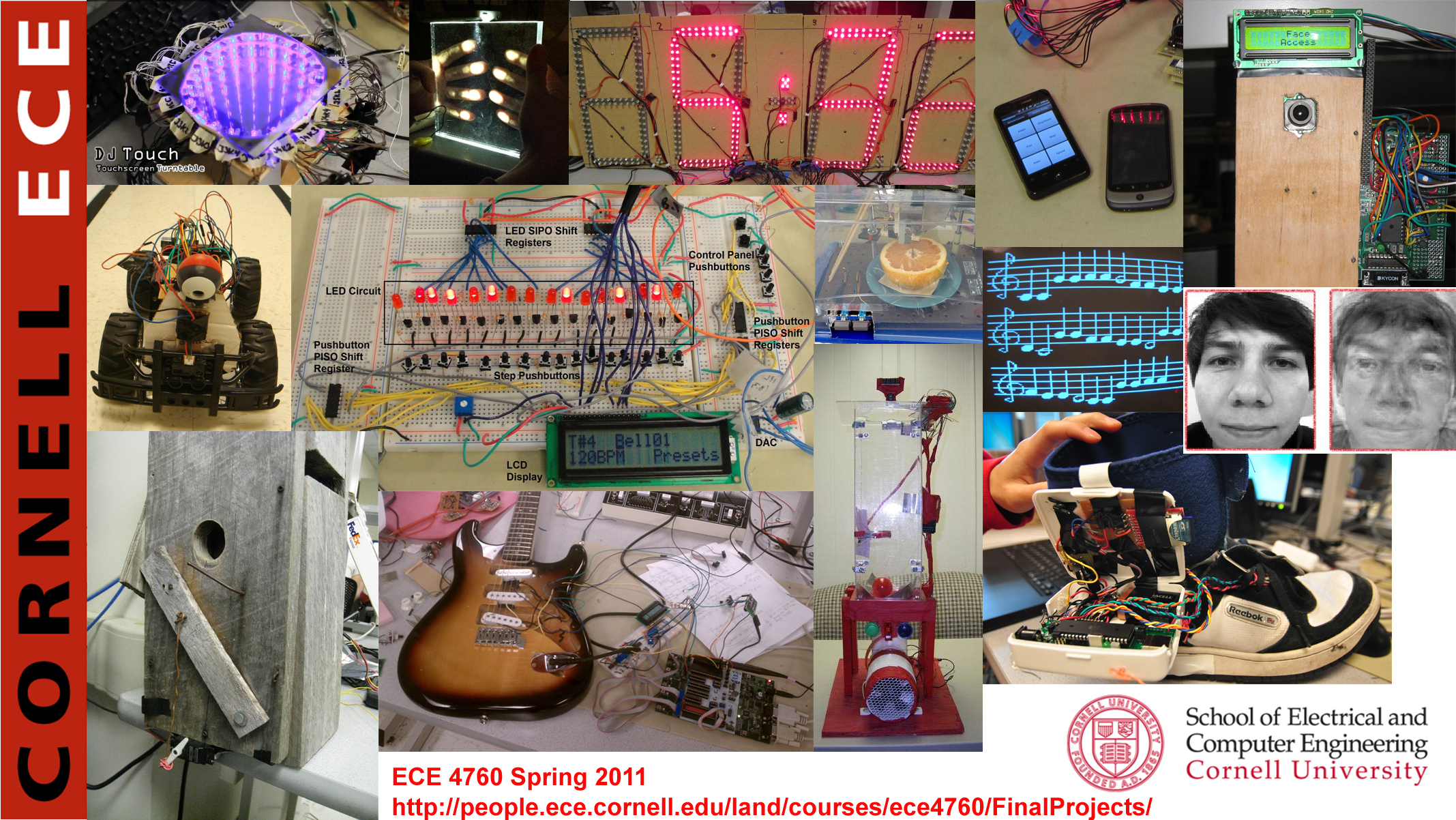
The spring 2011 batch of  Cornell University ECE 4760 Designing with Microcontrollers Final Projects are out.  Be prepared to spend a few hours browsing through the details of these cool projects. There is everything from a human tracking fan system to a DJ Touchscreen Device. If you are into playing rock paper scissors have a look at the ECE 4760 project below. David Dunn and Chris Fairfax designed and built

Automatic Pet Water Dish Filler

Keeping our cat’s water dish topped up is my daughter’s job but it would be something that would be nice to automate. Only thing I would always be scared about is if a sensor went bad or there was some bad code that caused the thing to run for 5 or 6 hours when I was out… I guess having a limited reservoir size would be one way to limit

Arduino Keypad

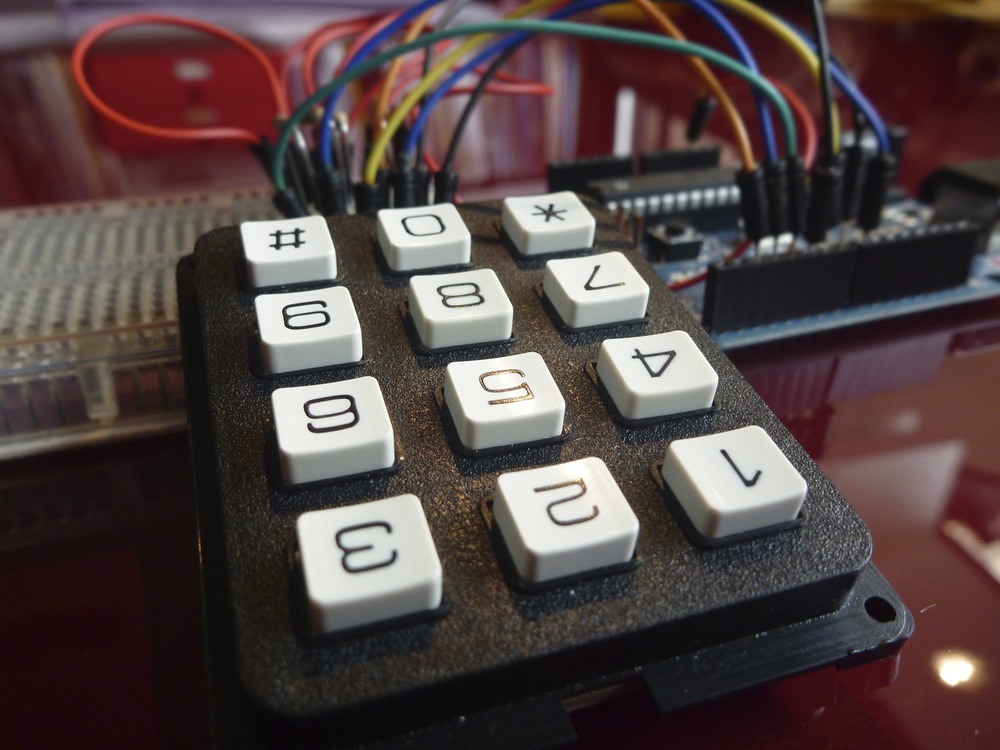
There will come a time when you want to secure something in your project. You could use a keyswitch but what happens when your key is lost though? Using a keypad allows you to have as many codes programmed as you want and change them at any time. If you are thinking of adding a keypad to an Arduino project have a look at this Arduino Keypad project for some

Mini Atari 810 Floppy Drive

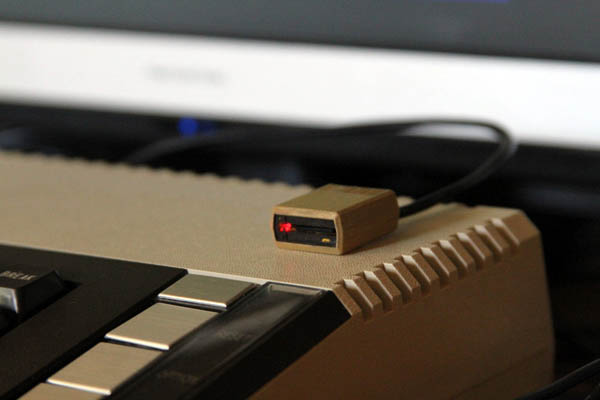
If you had an Atari computer years ago you might remember the 810 floppy drive. Rossum decided to have some fun and make a 8 GB version which is just a bit smaller than the original. The heart of the hack is a microSDdrive with a microcontroller which handles the interface. Via: Make, HackaDay “The hardware is pretty simple: a LPC1114 microcontroller, a microSD slot, a 3v3 regulator, a led