DIY Hacks

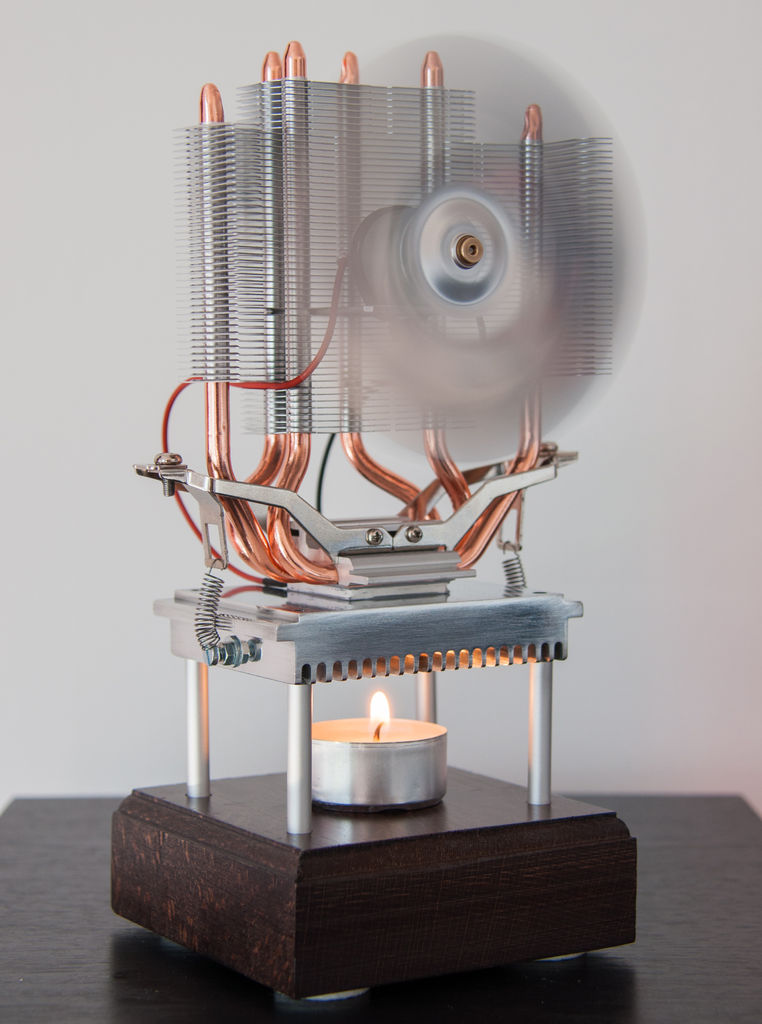
Candle Powered Fan

  This Candle Powered Fan uses some small candles to heat one side of a TEC-module, this creates a voltage that will operate the fan. A CPU heatsink is used on the hot and cold side of the module and the result is enough power to spin a small DC fan. “Components used: • CPU-cooler (cold side): Zalman CNPS5X (Base plate: 33x33mm) • CPU-cooler (hot side): From an old PC
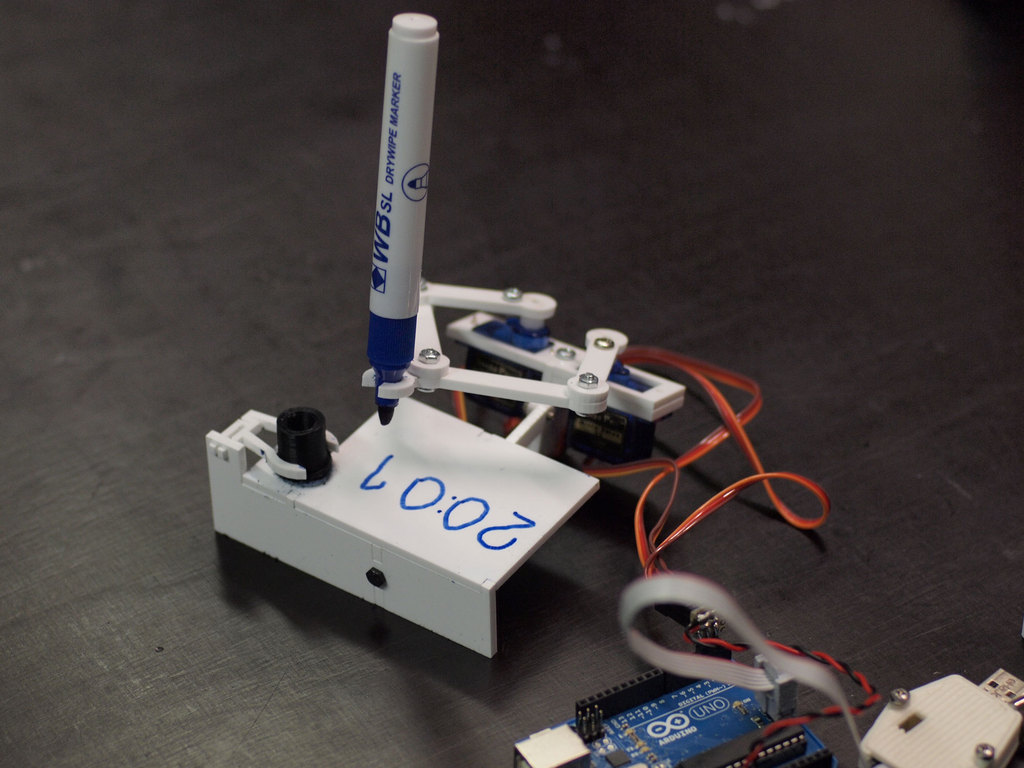

Time Plotting Clock

  The Time Plotting Clock mechanism is fantastically simple, 3 tiny servo motors allow the erasable marker to be moved along the drawing surface and raised when no contact with the surface is desired. This allows the pen to write the time. There is also a tiny eraser located in the upper right corner, when the next minute is ready to be drawn the pen grabs the marker and erases

Long Nose Robot of Death

    Ok, it isn’t actually not a Long Nose Robot of Death even if that is what it looks like… 🙂 It’s a Raspberry Pi controlled Tank that can shoot BBs. This tank was mostly 3D printed and uses a Raspberry Pi since the original idea of using an Arduino was shot down due to lack of processing power. “What features I want this tank to have? Remote controlled

DIY 4 Channel Electronic Load

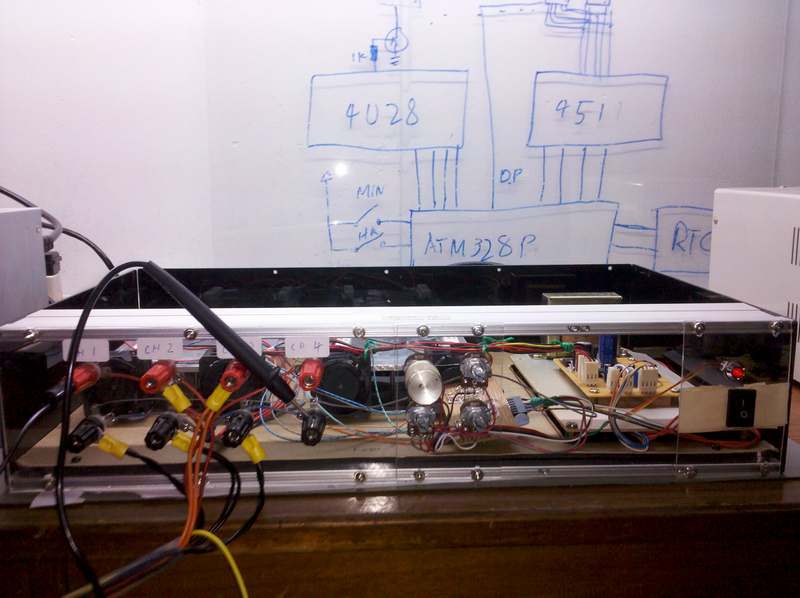
  Instead of keeping a dozen sizes of power resistors on hand to test your variety of power supplies an electronic load allows you to dial in the exact load you are looking for.  This DIY 4 Channel Electronic Load that gelbanana built allows you to connect a bunch of different items to load test at once. The cabinet is recycled and a custom cut piece of clear acrylic is used

DIY Lab Power Supply

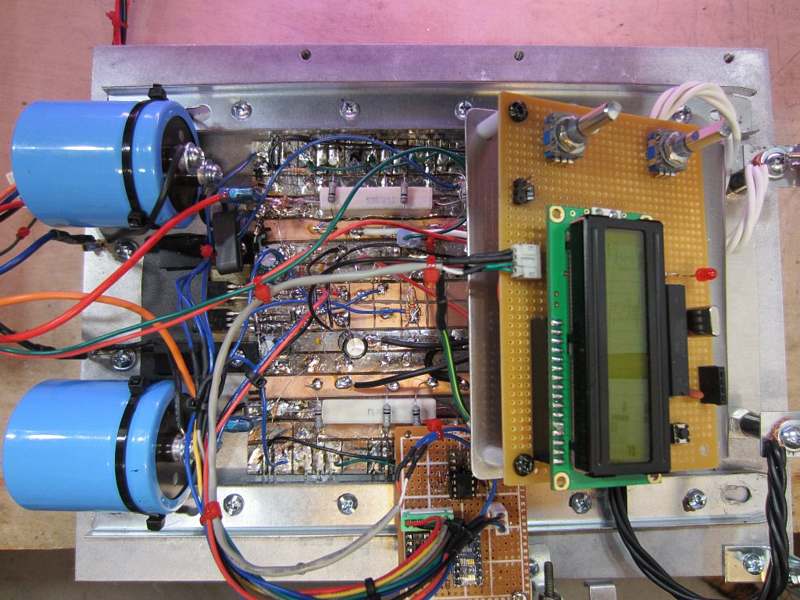
  Kerry Wong had a few huge heat sink kicking around, instead of selling them for scrap aluminum he decided to build some useful lab equipment. The first one went into the DIY Electronic Load and the second was used in his DIY Lab Power Supply. DIY Lab Power Supply Build Details 1 DIY Lab Power Supply Build Details 2 DIY Lab Power Supply Build Details 3  “The voltage/current setting

Use an LED as a Sensors

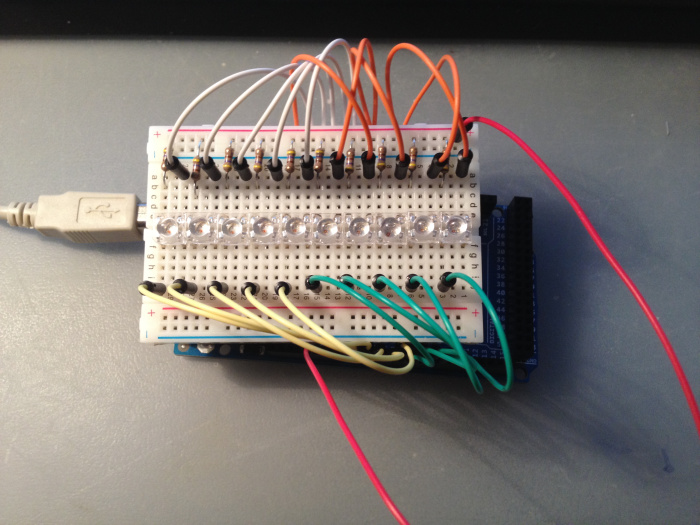
  Michael Beyhs has a new site called Electrical Engineering and More, his first project shows us how to Use an LED as a Sensor. LEDs are normally used to produce light but like many other electrical items it works a bit in the other direction, meaning that it will produce a small voltage when you shine light into it. “How the code works: Configure all analog inputs to outputs

Ammo Box Stereo

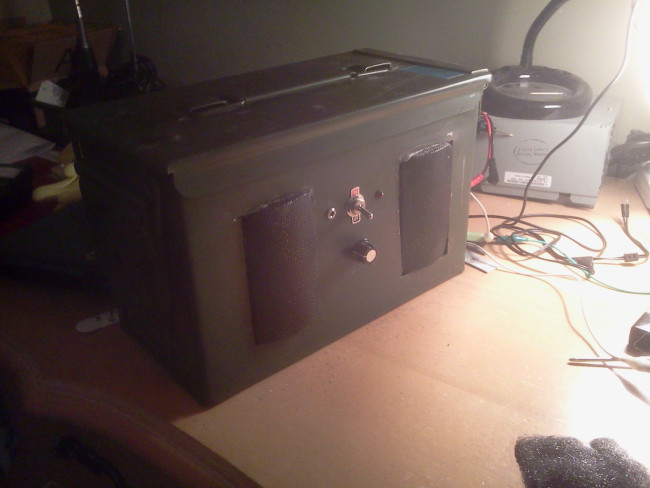
  When you take your portable radio to the beach are you always making sure nothing rubs against it so you keep the finish scratch free. If the kids are playing close to it you make sure they don’t have anything more dangerous than a rubber ducky since you know it will end up falling on your shiny radio.  The Ammo Box Stereo by Noah Farrington is the solution to