2012

Self Balancing Robot using the Microchip dspic33f

  The Microchip dspic33f  is used for this Self Balancing Robot that chayben from Australia put together. Bluetooth modules are used to achieve communication link between the robot and the computer running Matlab. On the computer you are able to see the many tiny changes that are needed to keep the robot upright.  The stacked round disk PCB design looks and works great in this design. “Processor: Microchip dspic33f Sensor:

Mike Senna Wall-e Build almost complete

  We have featured some Wall-e builds in the past, you can see by the video above that Mike Senna’s Wall-e Build is coming to an end. He just posted a video of the current state. It is almost complete and is looking great! He has built some cool macro modes that allows some pre-programmed movements to be done while he drives the robot around.

Wifly Mini - RC Car with an Arduino as a Brain

     Blair Kelly has designed a fun looking RC car. It has an Arduino mounted in the car, there are a number of sensors that allow Blair to drive the car around viewing the drive on a computer screen. There is even force feedback so when the car goes over a large bump or bangs into something he can feel it. With a head mounted display this thing would

Doorbell sends message to Cell Phone

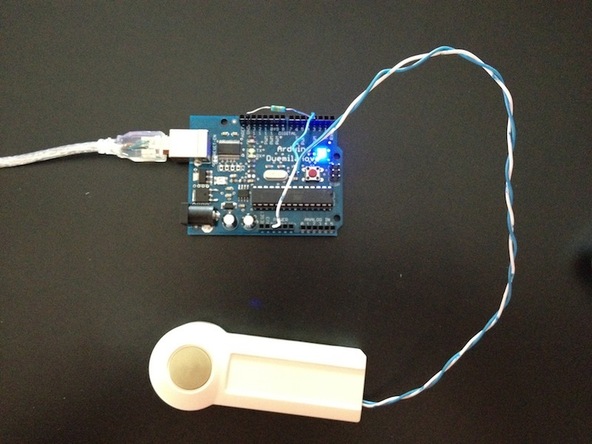
  When someone rings your doorbell wouldn’t it be nice to know about it when you aren’t home? Well this project will do just that. Pressing the doorbell will send a message to your cell phone and send you a picture of who is there. You often hear that robbers often ring the doorbell to make sure no one is at home before breaking in. I am thinking that a

DIY Digital Saxophone - ECE 4760 Project

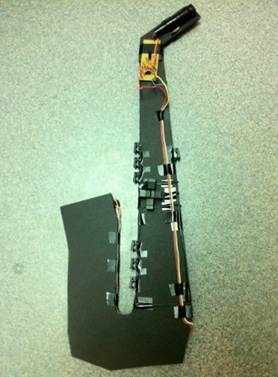
  The ECE 4760 Final Projects are here! Check out this DIY Digital Saxophone that was designed by Brian Wang. His design uses an omni directional microphone that is mounted in a tube to reduce background noise. The player blows into the tube and the microphone pics up the wind noise to know when the player is blowing. This signal is amplified and fed into a microcontroller. Buttons are positioned

Binary Burst Clock

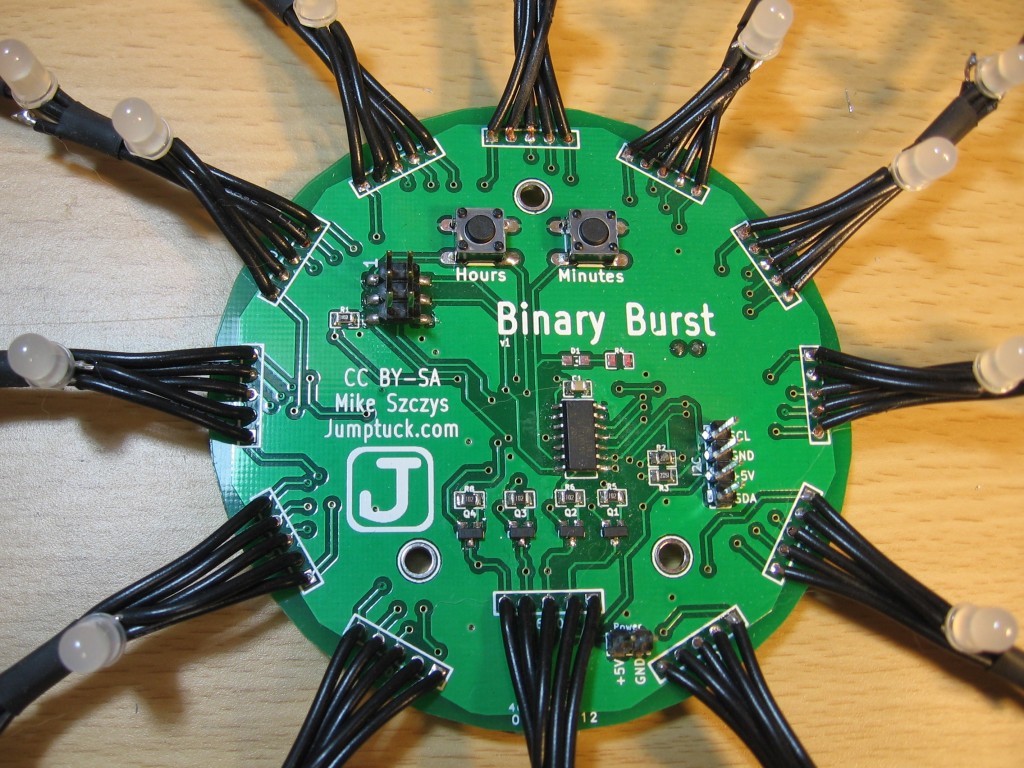
    Check out this great looking Binary Burst Clock that Mike Szczys from Jumptuck has built. At first glance you might be a bit confused on how to read the clock but it is actually quite simple. Mike ordered the boards from Seeed Studios and had a good experience and it was cheap! In this design a MCP7940 RTC chip is keeping track of time with the help of

Hacked Chocolate Box has Blinking LEDs controlled by an ATTiny13

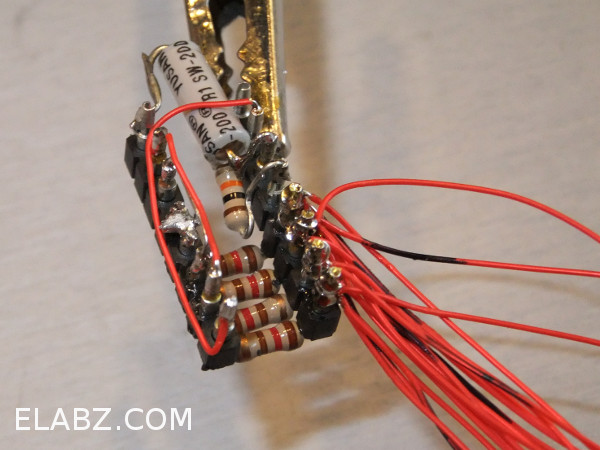
  Just in time for Mothers Day. Dress up your box of boring chocolates with some blinking LEDs. This project by Dmitriy Abaimov uses an ATTiny13 programmed using the Arduino IDE to do the interesting blinking. The microcontroller doesn’t have very many pins but with a bit of Charlieplexing this project can control all 10 LED that were desired.   “By counting the possible spots for LED locations in the box,