Alan Parekh

Voltmeter Clock Project

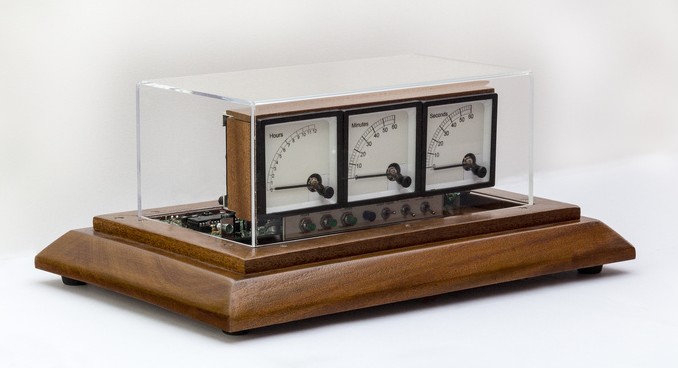
  If you are into cool clocks have a look at this Voltmeter Clock Project. It is based on the version that I built but has been enhanced with a ton of features such as master clock sync. “I have used three voltmeters and mounted them on a wooden plinth with a clear Perspex cover to give the clock an industrial look. I have modified Alan’s code to run on

Vintage Precision Power Supply Teardown

  Our friend Dave from the EEVBlog took apart this Vintage Precision Power Supply. With a quick look at the front panel you might think this is something that you would have got from Radio Shack 40 or 50 years ago for your hobby kit but this is a 0.001% precision power supply! It was designed by Power Designs Inc of New York back in 1964. When you see the

Drawbot Using Parallax Propeller Microcontroller programmed using PropForth

  Martin_H from the Parallax forum has built a cool little robot called Drawbot, it uses a Parallax Propeller Microcontroller programmed using PropForth. The main drive for this robot are the cheap $5 stepper motors that are available on eBay out of China. Looks like it is just powerful enough for this project. There is some loss of position after it draws a lot due to things like wheel slip.

HexPi – Hexapod Raspberry Pi Robot

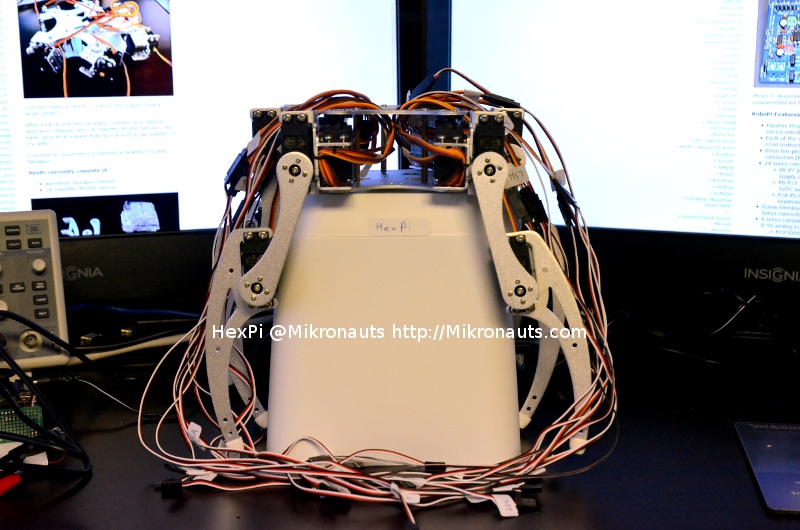
    If you are thinking about building a Hexapod you should have a look at the HexPi project. This Hexapod is based around an off the shelf chassis but there are some big plans for the brains, it will be powered by a Raspberry Pi so there will be no limit to the computation power on this tiny walking robot! It is looking good so far, the end result

NeverSet - Network Time Protocol Clock with Vacuum Fluorescent Display

  This Network Time Protocol Clock with Vacuum Fluorescent Display was built by pyrofer for his entry in the Hack a Day Contest. It is still a work in progress with many upgrades still in the works. The project uses a Spark Core which is an Arduino compatible board with built in WiFi. The clock uses the wireless internet connection to request time updates so you will never need to

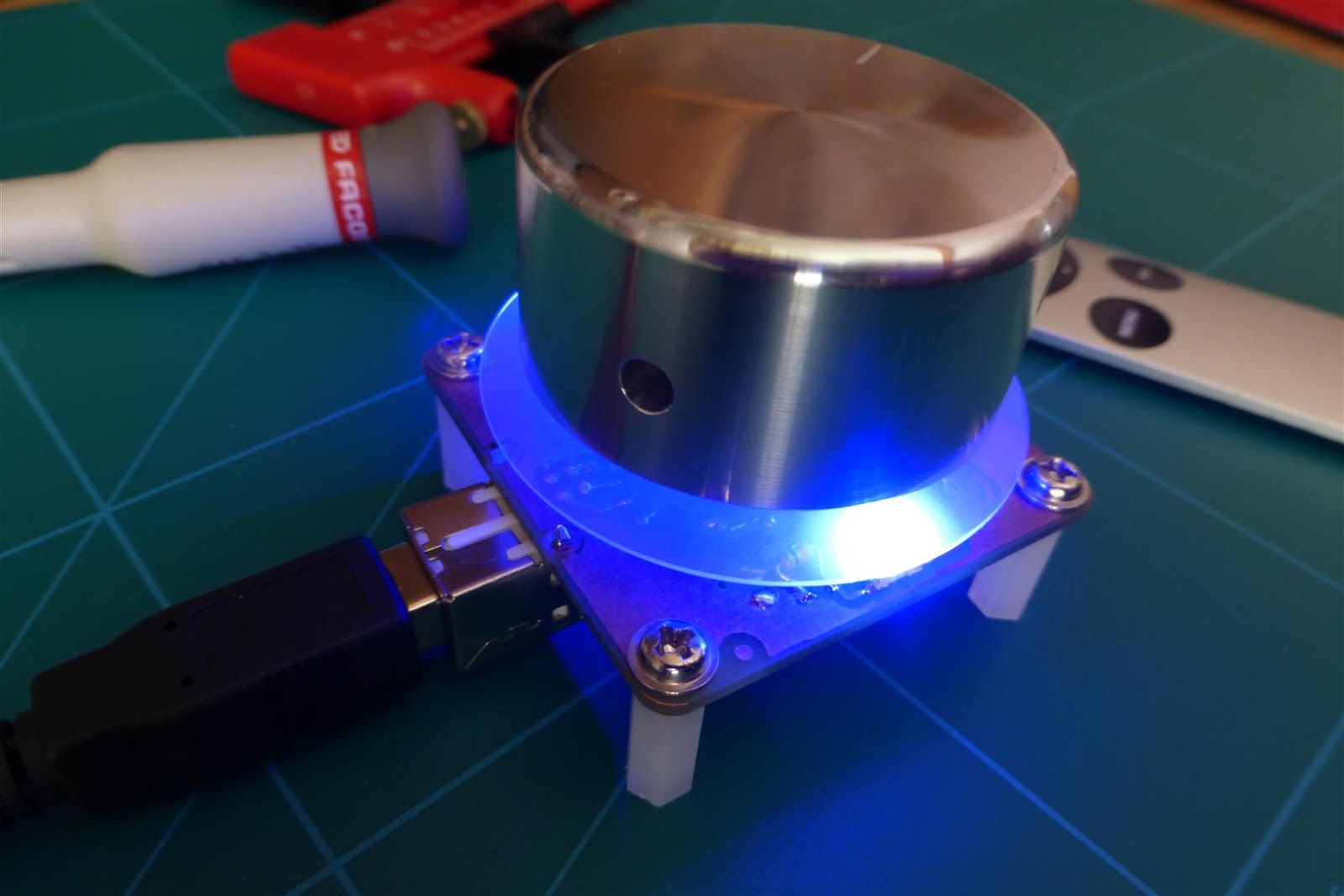
µVolume USB Volume Control Project

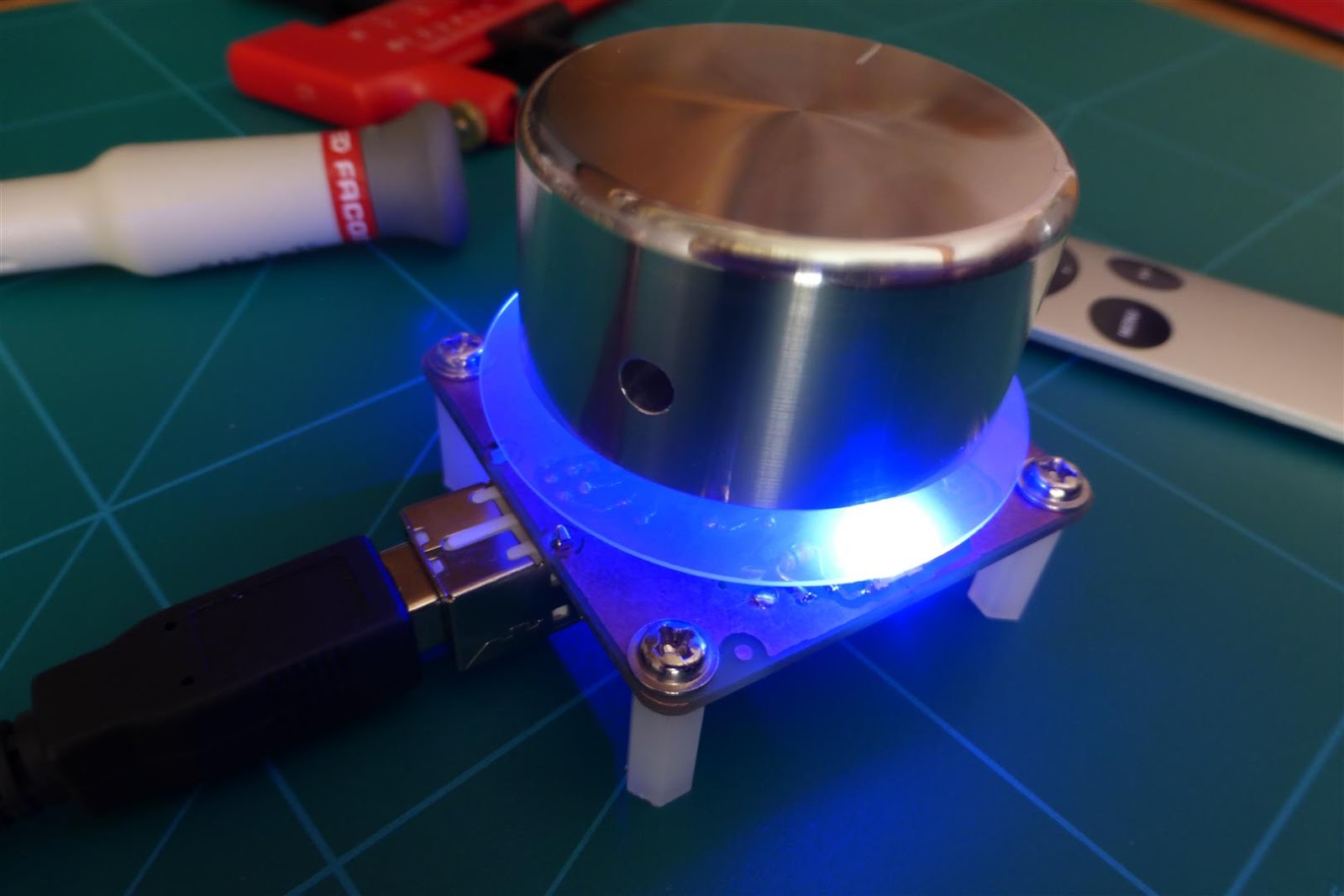
  This neat µVolume project by Rupert Hirst of RunAwayBrainz allows you to control your tunes with a nice big knob that uses a rotary encoder to get the user input. You can see the previous version in action below. Via: Electronics Lab “Features:               Arduino Compatible (Atmel Atmega32u4)               Manual volume adjustment using the rotary encoder               (IR) Infra red  remote control of volume and multimedia controls.               Apple

Arduino GSM Home Automation System

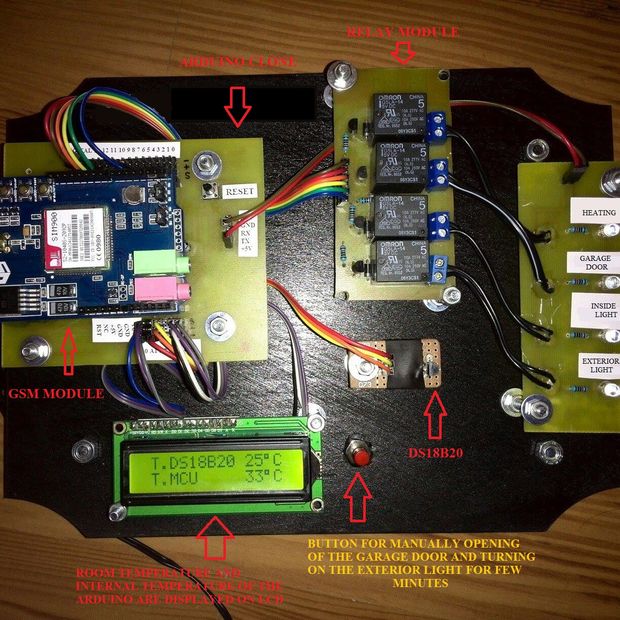
  Timofte Andrei shows us how he built his Arduino Home Automation System. The video below is in Romanian but with the English Instructable and video overview you can get a good idea of what is going on. He has went all out and built an Arduino clone for the brain of the system.  “For this project I’ve used: 1. An Arduino clone 2. SIM900 GSM SHIELD 3. Relay module